
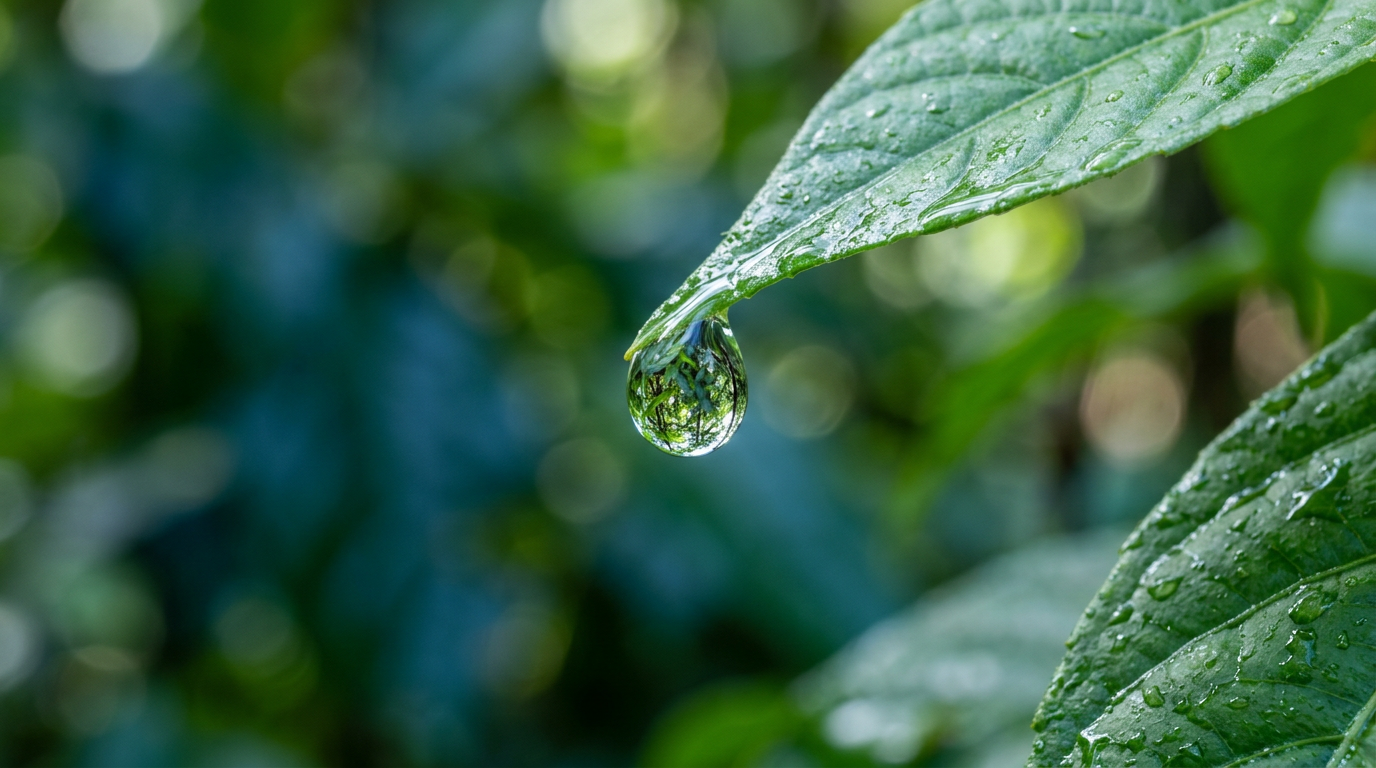
Importance of A Precious Drop: Nurturing Life Through Water Conservation.
In the vast canvas of our planet, a humble yet essential element silently weaves the fabric of life—water. In the grand tapestry of existence, there is a silent yet profound force that sustains all life—the gentle embrace of water. Like a nurturing mother, it cradles every living being, weaving threads of vitality into the very fabric of our existence. Its presence, often taken for granted, is the very essence of existence, sustaining every living being, every ecosystem, and every hope.
As we gaze upon the world around us, from sprawling cities to serene landscapes, the essence of water permeates every aspect of our lives. It quenches our thirst, nourishes our crops, cleanses our bodies, and breathes life into the myriad creatures that call our planet home. Yet, despite its unparalleled significance, water faces a growing threat—a threat born from our own actions and choices. As we stand at the brink of a critical juncture in environmental consciousness, it's time to turn our gaze towards the gentle ripples of change, starting with the conservation of water—a precious gift that unites us all.
Water conservation is a critical practice that ensures the sustainable management of our most precious resource: fresh water. With the world's population growing and the effects of climate change becoming more pronounced, the importance of conserving water cannot be overstated. For instance, less than 1% of the world's water is available as freshwater, making it imperative to use this resource judiciously. Cities across the globe are facing acute water shortages, highlighting the urgency of water conservation.
Let's take a closer look at some cities facing water shortages and the invaluable lessons they teach us about the urgency of water conservation.
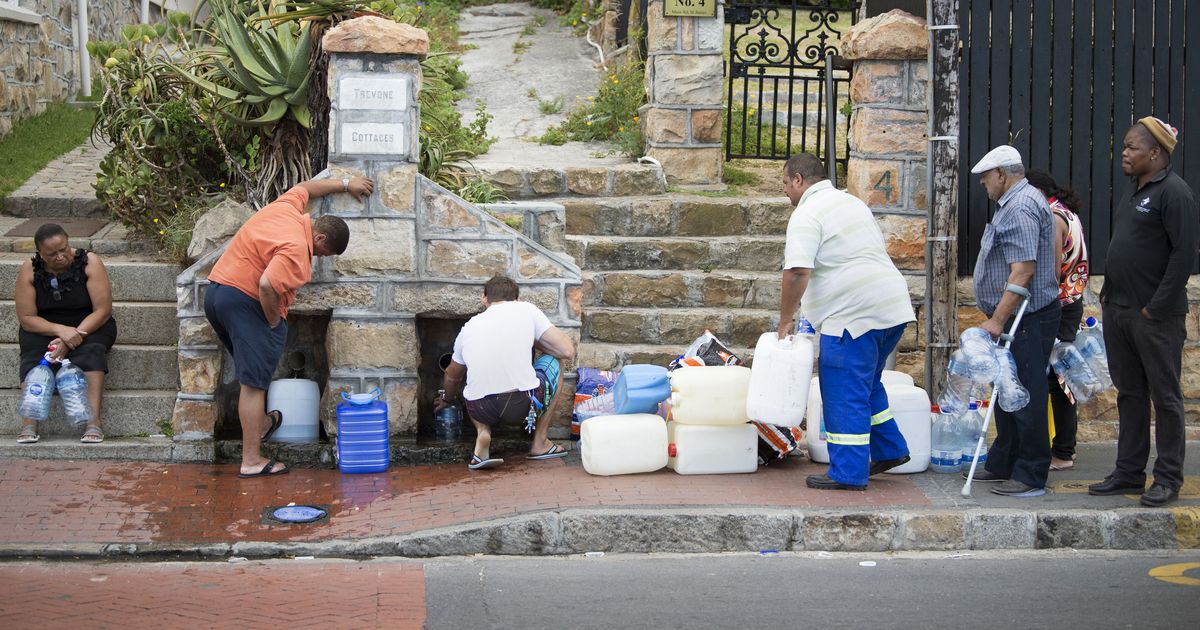
Cape Town, South Africa
In recent years, Cape Town faced an unprecedented water crisis, with reservoirs reaching dangerously low levels. The city implemented strict water restrictions, public awareness campaigns, and innovative solutions like desalination plants to mitigate the crisis. The experience of Cape Town underscores the need for proactive water management and conservation measures to prevent future crises.
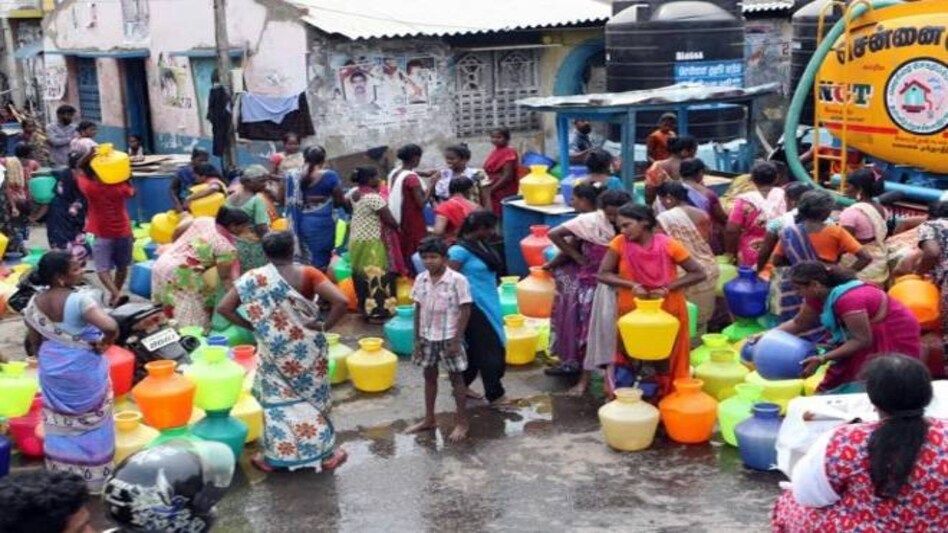
Chennai, India
Chennai, a bustling metropolis in southern India, experienced acute water shortages due to monsoon failures and overexploitation of groundwater. The city's residents endured long periods of water rationing and relied on alternative water sources, such as water tankers. Chennai's water crisis highlights the importance of sustainable water use, groundwater recharge, and resilience in the face of climate variability.
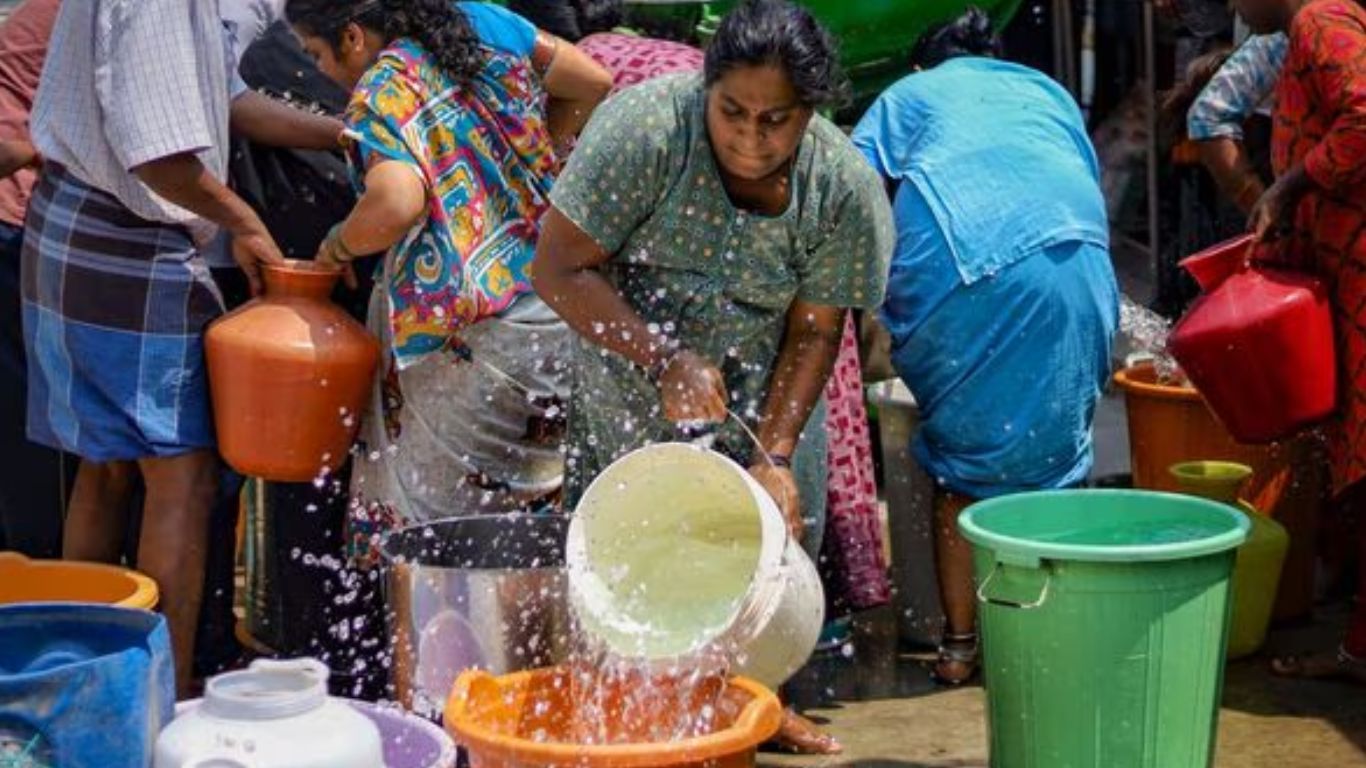
Bangalore, India
In the vibrant city of Bangalore, a similar narrative unfolds. Once known for its lush gardens and bountiful lakes, Bangalore now grapples with water shortages, polluted water bodies, and a growing population placing increasing demands on finite water supplies. The iconic lakes that once defined the city's landscape now stand as reminders of the urgent need for conservation and sustainable water management practices.
Sao Paulo, Brazil
Sao Paulo, one of the largest cities in South America, faced a severe water crisis in 2014-2015, attributed to prolonged droughts and inadequate infrastructure. The crisis led to water rationing, economic disruptions, and heightened awareness about the fragility of water resources. Sao Paulo's experience underscores the need for integrated water management, conservation incentives, and investments in water infrastructure.
Conclusion
These cities serve as poignant reminders of the urgent need for water conservation. By learning from their experiences and adopting sustainable water management practices, we can work towards a future where every drop is cherished, and water scarcity becomes a challenge of the past.